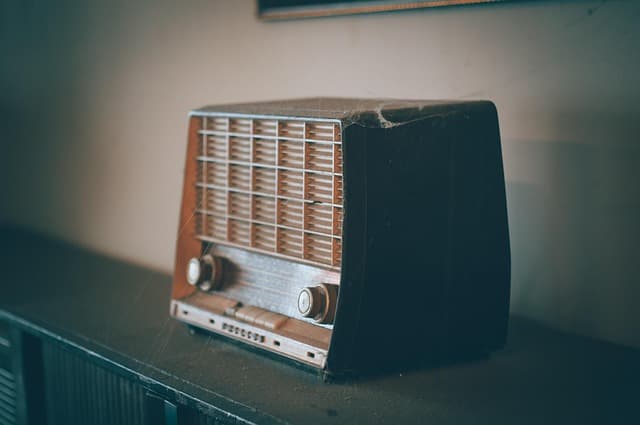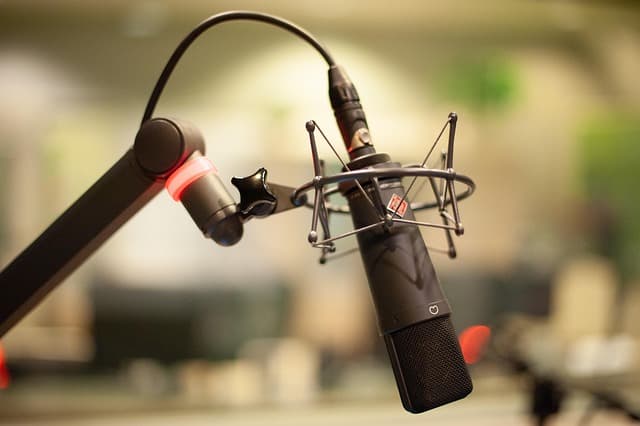
In 2008, independent New Jersey radio station WFMU, celebrating its 50th anniversary on the air, invited listeners and former DJs to share their personal memories of the most memorable episodes in its history. This station has always been unique: its free format, lack of commercial advertising, and complete creative independence made it the birthplace of many musical and cultural events that later became legendary.
Today, we recall several stories from WFMU’s past that illustrate its unique spirit.
Silver Apples in Tompkins Square (1968)
One of the former hosts, known by the pseudonym Larry the Bagelman, shares his memories of the late 1960s. At that time, the WFMU studio was located on Prospect Street in East Orange, New Jersey, and belonged to Apsala College.
Larry organized free concerts in New York City parks, particularly in Tompkins Square Park. One spring day in 1968, he received an unexpected call from the experimental band Silver Apples, who offered to perform for free.
The result exceeded all expectations: about six thousand people gathered in the park, and the audience was blown away by their performance. Drummer Danny Taylor demonstrated incredible energy, and the homemade Moog synthesizer, assembled by band member Simeon, sounded almost fantastical for its time. This concert became one of the first major “underground” events in WFMU’s history.
The “takeover” of the studio and the meeting with the FBI (1970)
Another former employee of the station, Peter Tonks, recalls the events of May 1970. At that time, he was the music director of WFMU and a student at Apsala. Protests against the Vietnam War were raging in the United States, and the tragedy at Kent State University, where the National Guard shot student demonstrators, was a turning point.
A group of students decided to “occupy” the radio station. For several days in a row, they broadcast revolutionary rhetoric: they read quotes from Mao Zedong’s Little Red Book, gave out the addresses of police stations and military registration offices, and provided instructions on how to make the “perfect Molotov cocktail.”
These broadcasts lasted about three days until representatives of the FBI, the police, and the college administration stormed the studio. At the moment of the assault, it was Tonks who was at the console. The song Steppenwolf – Monster was playing on the air with the chorus: “America, where are you now?”
When the agents pulled him away from the microphone, he managed to ask listeners live on air:
“Dear friends, it looks like the FBI has paid us a visit. Tell me, why are they closing our station?”
To which one of the agents, forgetting himself, shouted into the microphone:
“We don’t have to give you bastards any explanation!”
Peter recalls with irony that after these words, he suggested recording the “violation of FCC rules” (Federal Communications Commission) before they took him away.
WFMU as a symbol of freedom
These stories are just a small part of the station’s rich history. Over the decades, WFMU has become more than just a radio station; it has become a true cultural institution. There has always been an atmosphere of freedom here: freedom of musical choice, freedom of speech, freedom to experiment.
From psychedelic concerts in parks to political actions and scandalous broadcasts, WFMU has remained true to its mission: to be an independent voice that stands in opposition to mass culture.
Today, WFMU continues its work, remaining one of the most respected and influential independent radio stations in the world.